The long table
Ten turning points in casino history
The story moves between public order, taxation, tourism, engineering and entertainment.
01Ancient world
Chance before casinos
Knucklebones, dice and lots appear across ancient societies. These were not casinos: they were portable games used for play, divination and wagering. The casino came much later, when authorities concentrated games in a supervised place.
021638 · Venice
The Ridotto opens
Venice’s government authorised a public gambling house during Carnival. The Ridotto is widely described as the West’s first state-sanctioned public casino. Masks and formal dress made it theatrical; high stakes kept it socially exclusive.
0318th century · France
The table-game vocabulary forms
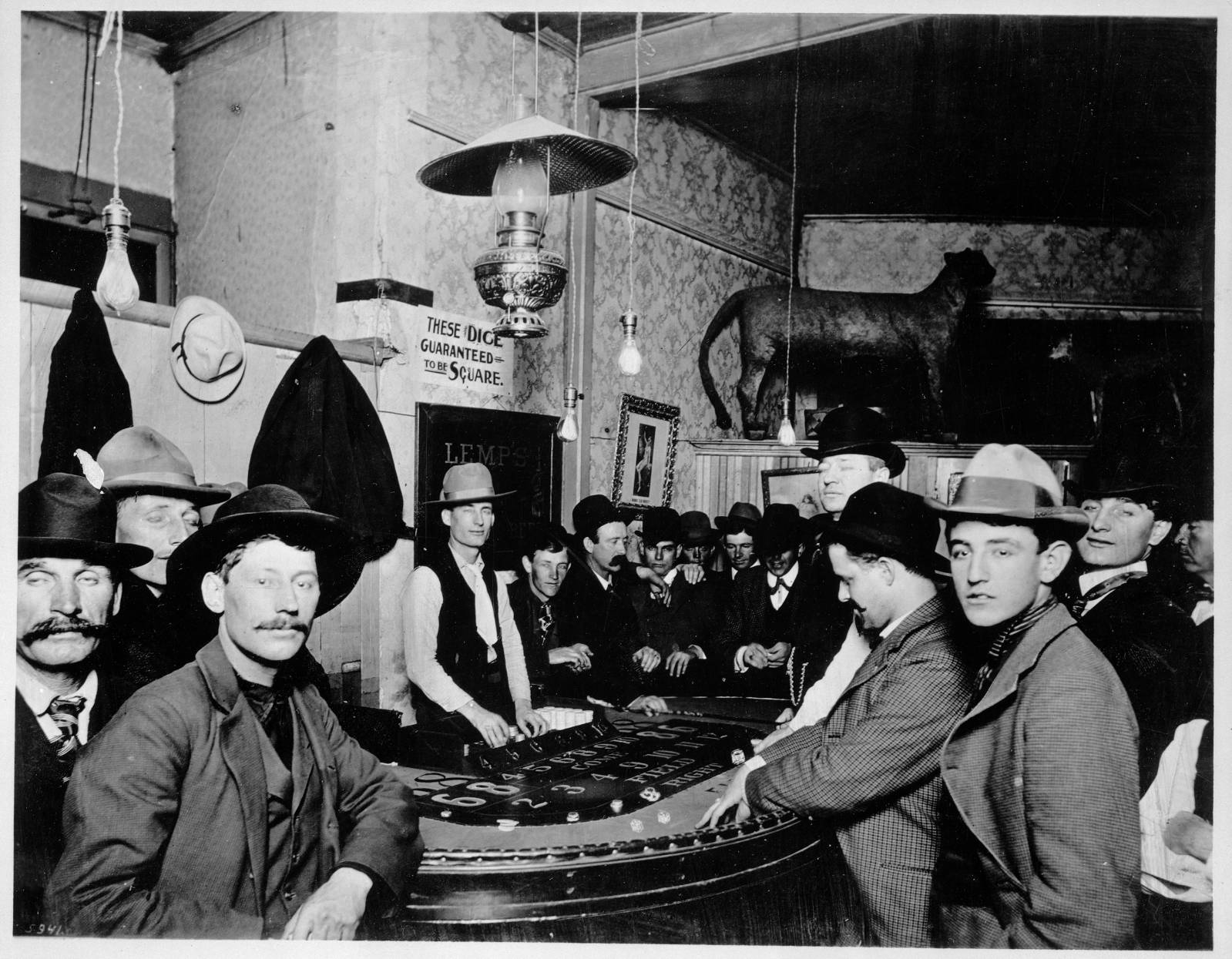
French salons and gaming houses helped shape roulette and vingt-et-un, the ancestor of blackjack. The croupier, bank, layout and house advantage became recognisable parts of organised play.
041847 · Macao
Gaming becomes fiscal policy
Portuguese authorities legalised and taxed gambling as Macao lost trade to Hong Kong. Fan-tan stalls multiplied, and gaming revenue became part of the territory’s economic model.
051863 · Monaco
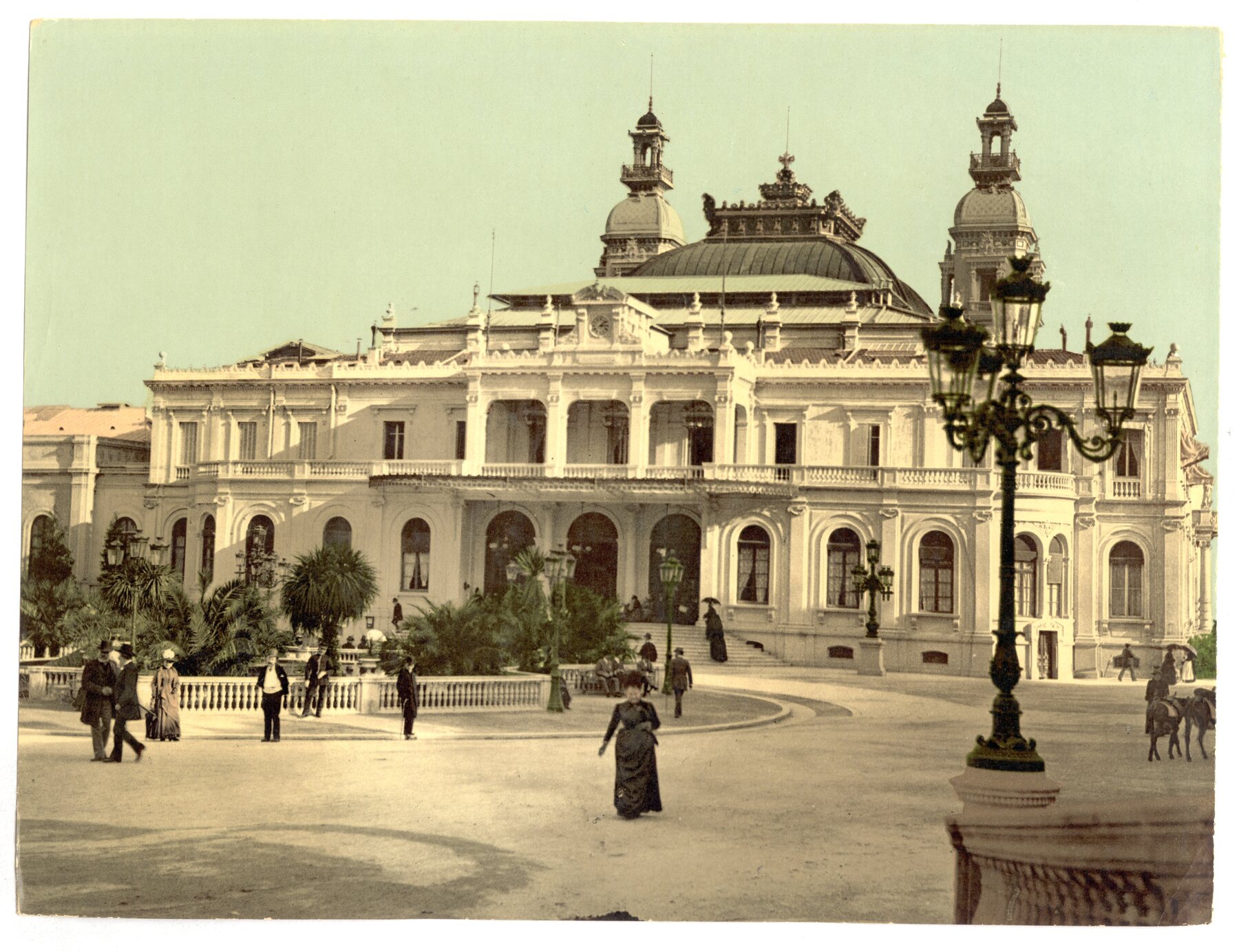
The casino becomes a destination
Prince Charles III’s government created the Société des Bains de Mer and entrusted François Blanc with developing gaming and hospitality. Rail access, hotels, gardens and spectacle turned Monte Carlo into a resort economy.
061890s · San Francisco
A machine joins the tables
Charles Fey’s three-reel Liberty Bell established the automatic-payout slot-machine pattern. A compact mechanical game could earn continuously without a dealer, changing the economics and soundscape of the casino floor.
071931 · Nevada
Las Vegas gets its legal opening
Nevada restored wide-open commercial gambling during the Depression. Las Vegas licences, Hoover Dam traffic and later highway and air travel helped a small desert city become a casino capital.
081940s–1960s · Las Vegas
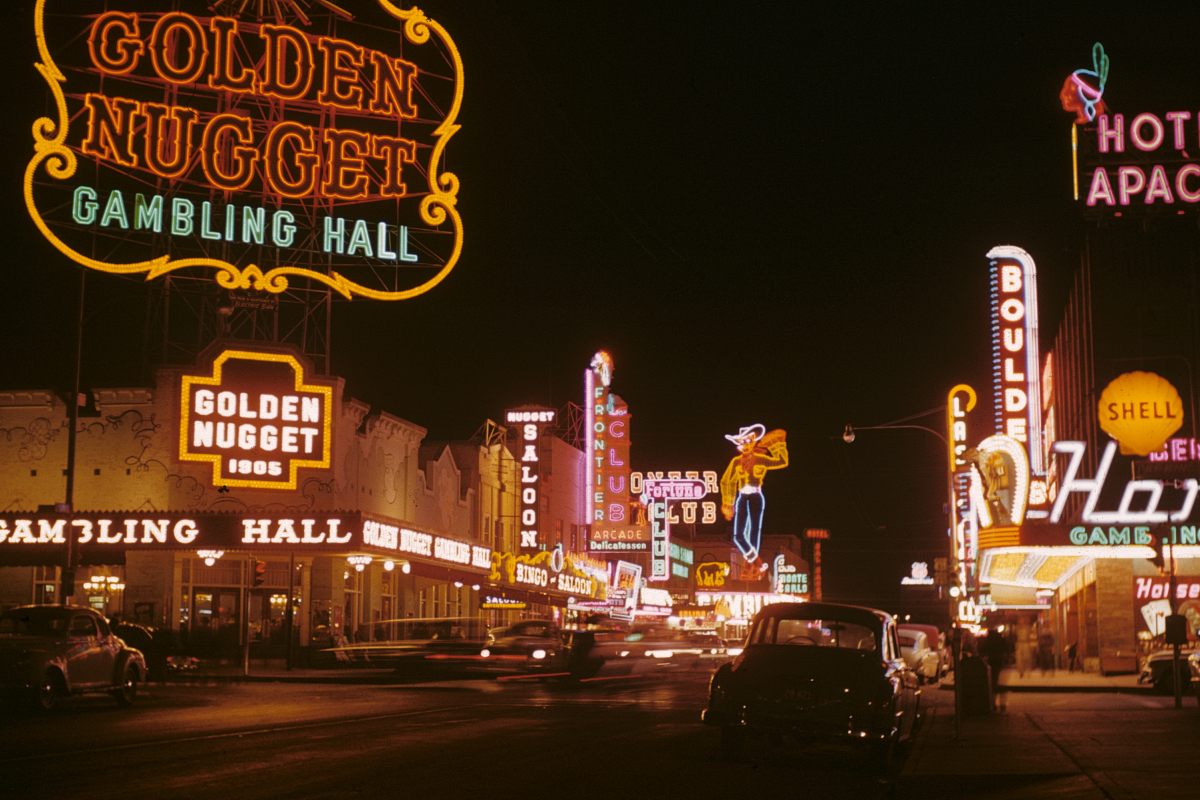
Neon, resorts and showrooms
Fremont Street and the Strip fused gambling with hotels, restaurants and entertainment. Organised crime shaped part of this era, but later corporate ownership and regulation transformed the business.
09Late 20th century · Global
The resort model travels
Atlantic City, tribal gaming in the United States, European markets and Asian destinations adapted the casino resort. Surveillance, loyalty programmes and computerised accounting made the floor more measurable.
1021st century · Digital
Casino logic leaves the building
Online casinos and mobile interfaces reproduced tables and reels on screens. The technology changed access and speed, but not the underlying rule: payouts are structured around a mathematical house advantage.